Published on November 12, 2025
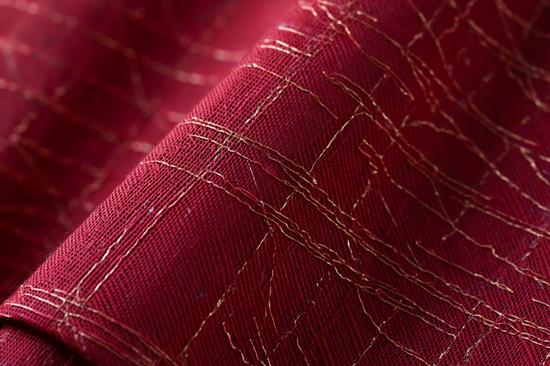
The abaya has always been more than just a garment its a symbol of modesty, grace, and cultural pride. From its traditional roots to its contemporary adaptations, the abaya continues to hold a special place in the wardrobes of women across the world. However, what truly sets an elegant, comfortable, and timeless abaya apart from the rest is not just its design or embellishments, but the quality of its fabric. Whether you are a designer, retailer, or wearer, understanding why fabric quality matters in abaya design is key to achieving the perfect balance of style, comfort, and durability.
The fabric is the soul of an abaya. It determines how the garment feels against the skin, how it drapes, and how it moves. High-quality fabrics such as Premium Nida, Korean Silk, Satin, Crepe, and Chiffon are known for their softness, breathability, and fluidity qualities that make abayas both elegant and comfortable for all-day wear.
A poorly chosen or low-grade fabric can make an abaya feel heavy, stiff, or clingy, leading to discomfort, especially in warmer climates. On the other hand, a soft and breathable material allows for effortless movement, making the abaya not just a modest attire but a truly luxurious experience. Comfort is especially important for women who wear abayas daily, as it influences confidence and ease throughout the day.
An abayas durability depends largely on its fabric quality. A well-crafted abaya made from premium materials maintains its shape, color, and texture even after repeated washing and wear. Durable fabrics such as Nada, Nidha, and Crepe are designed to withstand everyday use without fading or fraying.
Retailers and designers who prioritize high-quality fabrics can ensure customer satisfaction and loyalty. When customers find that their abayas retain elegance and structure over time, they associate the brand with reliability and craftsmanship. In contrast, low-quality fabrics not only lose color and shape quickly but also tarnish the reputation of the brand that sells them.
Every abaya design has its own personality some are flowy and minimalist, while others are structured and embellished. The choice of fabric can either elevate or undermine that design. For example, Chiffon and Georgette are ideal for layered or open-style abayas because of their graceful drape and lightweight texture. Satin and Silk are perfect for formal or luxury abayas, offering a smooth, luminous finish that enhances embroidery and detailing.
Meanwhile, Crepe and Linen work beautifully for modern, structured silhouettes, adding a refined, contemporary edge. Designers who understand the relationship between fabric and design can bring out the full potential of their creative vision, ensuring that each abaya is both aesthetically pleasing and practical.
Fabric selection should also take into account the climate and season. In regions with hot, dry weather like the Middle East or parts of India�lightweight, breathable materials such as Nida, Chiffon, and Cotton Blends are preferred. They allow airflow, prevent overheating, and offer comfort without compromising modesty.
For cooler regions or winter seasons, Velvet, Wool Crepe, and heavy Satin make excellent choices as they provide warmth while maintaining elegance. Selecting the right fabric for the climate ensures that the abaya remains versatile and wearable throughout the year, enhancing customer satisfaction and brand loyalty.
A perfectly tailored abaya depends not only on pattern and stitching but also on how the fabric behaves. High-quality fabrics have a natural flow that enhances the abayas silhouette, giving it a flattering drape on all body types. For example, Premium Nida fabric is famous for its smooth fall and wrinkle resistance, which keeps the abaya looking neat and polished all day long.
Cheaper materials may appear appealing at first glance but often lose shape after a few washes, causing the abaya to sag or fit awkwardly. This directly affects how the garment looks and feels, making fabric choice a critical part of maintaining the abayas elegance.
Color plays a vital role in abaya design, from the classic black to modern shades of beige, navy, or pastels. High-quality fabrics retain dye better, preventing colors from fading or bleeding over time. This is particularly important for embroidered or printed abayas where multiple hues are used.
Fabrics with poor color retention can dull quickly, losing their luxurious appeal after just a few washes. Using premium materials ensures that the abaya remains vibrant and visually appealing, preserving its charm and market value.
With the rise of conscious fashion, sustainability has become an essential part of abaya production. Choosing eco-friendly and ethically sourced fabrics not only reflects social responsibility but also appeals to modern customers who value transparency and quality. Organic cotton, bamboo blends, and recycled polyester fabrics are increasingly used to create sustainable abayas without sacrificing style or comfort.
By investing in sustainable materials, brands contribute to environmental protection while catering to the growing demand for responsible fashion choices. High-quality, eco-conscious fabrics often have superior durability and texture, making them a win-win for both designers and consumers.
For wholesalers, retailers, and designers, fabric quality is more than just a creative choice its a business decision. Premium materials might increase production costs slightly, but they also raise the perceived value of the abaya, allowing for better profit margins and long-term customer trust.
A brand known for using luxurious, comfortable, and durable fabrics naturally attracts repeat customers and positive word-of-mouth promotion. In a competitive market, where customers can easily compare options online, quality becomes the most powerful differentiator.
Before finalizing any fabric for production, its important to test its properties. Factors like colorfastness, shrinkage, texture, and thickness should be checked through samples. Reliable suppliers often provide swatches or detailed fabric specifications to help buyers make informed decisions. Online abaya wholesalers like AbayaKart and other reputable platforms maintain strict quality control to ensure consistency and authenticity.
Fabric quality is the heartbeat of every abaya design. It defines the garments comfort, elegance, and longevity, shaping how women feel when they wear it. From the flow of Nida to the softness of Satin, from the strength of Crepe to the lightness of Chiffon every fabric tells its own story of craftsmanship and culture.
For designers, investing in premium fabrics means creating abayas that embody both beauty and durability. For retailers, it ensures customer satisfaction and brand growth. And for wearers, it brings the joy of wearing something that looks graceful, feels comfortable, and lasts for years.
In the end, a truly remarkable abaya doesn�t just look beautiful it feels exquisite, stands the test of time, and reflects the timeless power of quality fabric.
Published on October 23, 2025
Fashion is ever-evolving, but the abaya an enduring symbol of modes...
Read More
Published on October 25, 2025
In todays modest fashion market, abayas have evolv...
Read More
Published on October 22, 2025
The abaya has always been more than just a garment it is a timeless...
Read More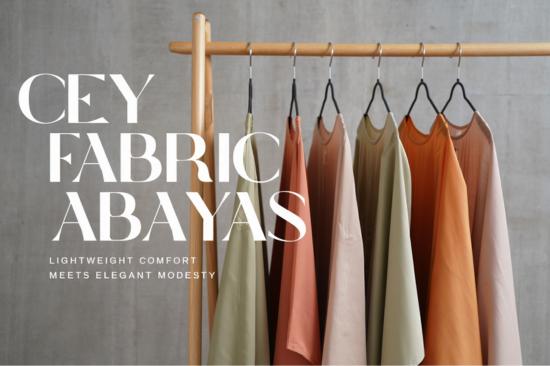
Published on October 22, 2025
An abaya is not merely a garment; it is a reflection of modesty, tr...
Read More

 Home
Home Categories
  Categories