Published on October 25, 2025
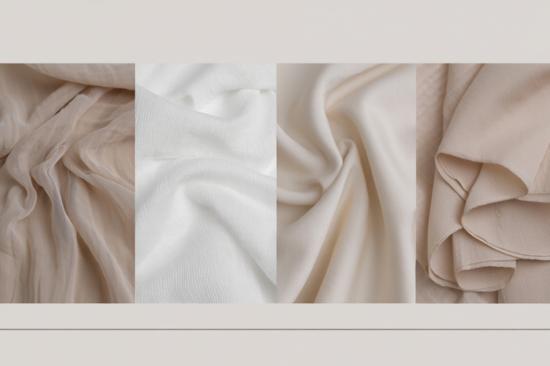
The abaya is more than just a garment its an expression of grace, modesty, and identity. But behind every beautifully flowing abaya lies the true hero: the fabric. The choice of fabric determines not only how the abaya looks but also how it feels, how long it lasts, and how well it complements the wearers lifestyle. From texture and breathability to drape and durability, every element plays a key role in defining what makes an abaya truly perfect.
In this detailed guide, we will explore the essential qualities of a perfect abaya fabric and uncover how the right material can transform a simple piece of clothing into a timeless symbol of elegance.
A well-designed abaya begins with the right material. The ideal fabric should embody comfort, modesty, and sophistication, all while allowing freedom of movement and breathability. It must suit different occasions, climates, and customer preferences.
For designers and buyers alike, the choice of fabric influences:
The overall appearance � how the abaya drapes and flows.
The comfort level � how it feels on the skin during long hours of wear.
The practicality � how easy it is to maintain and care for.
The appeal � how luxurious or modern it looks.
Thus, the fabric is the foundation upon which every successful abaya collection is built.
The texture of an abaya fabric is one of the first things that a wearer notices. It defines the garments tactile experience soft, smooth, crisp, or flowy. A perfect abaya fabric should feel gentle against the skin while maintaining a refined structure that enhances the modest silhouette.
Here is how texture influences different types of abayas:
Smooth and Silky Textures: Fabrics like Nidha, Satin, and Silk are known for their luxurious touch. They create a polished, graceful finish ideal for formal or high-end abayas.
Matte and Textured Finishes: Materials like Crepe and Linen blends offer a subtle, natural texture that adds depth without overwhelming the design. They�re great for casual or professional wear.
Soft and Stretchy Textures: Fabrics such as Jersey provide a contemporary, relaxed vibe, ensuring comfort for travel or daily use.
A fabric�s texture should strike the right balance between softness and structure, ensuring that the abaya holds its shape while offering ultimate comfort.
Breathability is one of the most essential qualities in abaya fabrics, especially since abayas are often worn for long hours in varying weather conditions. A breathable fabric allows air circulation, helping regulate body temperature and ensuring the wearer feels comfortable throughout the day.
Lightweight and airy fabrics such as Crepe, Georgette, Chiffon, and Cotton blends excel in this regard. These materials prevent heat buildup while maintaining modest coverage.
In contrast, less breathable fabrics can trap heat and moisture, leading to discomfort especially in hot climates. The perfect abaya fabric should feel cool and light while maintaining opacity for modesty.
Key tip: If your customers live in warmer regions (like the Middle East or South Asia), prioritize breathable fabrics such as Korean Crepe, Nidha, or Linen blends for your collection.
Elegance is what transforms an ordinary abaya into a fashion statement. The drape of a fabric determines how it falls and moves with the wearers body. A perfectly draped abaya flows effortlessly neither too stiff nor too clingy.
Fabrics with a natural, fluid drape�like Nidha, Satin, or Silk offer a regal appearance. Their soft flow enhances the garment�s modesty and gives it a graceful movement.
For more structured designs, Crepe or Georgette works beautifully, maintaining a professional, tailored look without losing sophistication.
In essence, a fabric�s drape should mirror the designer s vision whether thats a sleek minimalist silhouette or a luxurious, layered ensemble.
While texture and elegance are important, the fabric must also withstand daily wear and frequent washing. A durable abaya fabric maintains its color, softness, and structure over time, ensuring customers enjoy lasting value.
Fabrics like Crepe, Nidha, and Medina Silk are well-known for their wrinkle resistance and color retention. They are also easy to maintain, which makes them ideal for busy women who value practicality.
On the other hand, materials such as Silk and Satin may require more delicate care but provide unmatched luxury for special occasions.
When selecting fabrics for your abaya collection, consider not only aesthetics but also ease of care�customers appreciate garments that are as convenient as they are beautiful.
Abayas are meant to be modest, so the fabrics weight and opacity are crucial. The material should be thick enough to offer full coverage without feeling heavy or restrictive.
Lightweight Fabrics: Chiffon and Georgette are perfect for layering or open abayas but usually need lining to ensure modesty.
Medium-Weight Fabrics: Crepe and Nidha strike the perfect balance between breathability and opacity.
Heavyweight Fabrics: Satin and Double Crepe are excellent for colder climates and occasion wear.
The ideal fabric weight depends on the climate and design. For example, summer abayas should be light and airy, while winter abayas can use denser materials for warmth and style.
Color plays an emotional and cultural role in abaya fashion. While classic black remains timeless, modern abayas now feature a spectrum of neutral and bold hues�from deep navy and olive green to soft beige, mauve, and silver grey.
Different fabrics hold and reflect color differently:
Satin and Silk enhance shine and depth, giving colors a luminous appearance.
Crepe and Nidha offer matte sophistication with rich color absorption.
Chiffon and Organza deliver light, delicate tones suitable for layering.
The right fabric should complement your color palette while maintaining consistency and vibrancy over time.
As the world moves towards more eco-conscious fashion, sustainability has become a defining factor in fabric selection. Many abaya manufacturers are now opting for eco-friendly materials like organic cotton, bamboo viscose, and recycled polyester blends.
These fabrics not only reduce environmental impact but also appeal to a new generation of buyers who value ethical production. A sustainable fabric that combines comfort and luxury gives your abaya collection a modern, responsible edge.
Each type of abaya serves a unique purpose daily wear, formal events, or travel. Choosing the right fabric for each category ensures functionality as well as beauty.
| Type of Abaya | Recommended Fabrics | Key Features |
|---|---|---|
| Daily Wear Abayas | Crepe, Jersey, Cotton Blend | Breathable, easy to maintain |
| Formal Abayas | Satin, Nidha, Silk | Luxurious drape and shine |
| Travel Abayas | Jersey, Light Crepe | Stretchy and wrinkle-resistant |
| Layered Abayas | Chiffon, Georgette | Lightweight and flowy |
| Premium Designer Abayas | Nidha, Japanese Crepe | Elegant and timeless |
By tailoring fabric choices to specific customer needs, designers can create versatile collections that resonate with diverse audiences worldwide.
Ultimately, the perfect abaya fabric is one that combines all three elements�texture, breathability, and elegance�in harmony. It should make the wearer feel confident, graceful, and at ease.
A soft yet strong texture ensures long-lasting comfort. Breathability keeps the wearer cool, and a naturally elegant drape brings the design to life. These qualities are the foundation of a well-crafted abaya whether its worn in the desert sun, a bustling city, or a formal gathering.
When designers, manufacturers, and retailers focus on these fabric fundamentals, they create more than garments they craft experiences.
Choosing the perfect abaya fabric is both an art and a science. From luxurious Nidha and glossy Satin to lightweight Chiffon and versatile Crepe, each material brings a unique story to the world of modest fashion.
A perfect abaya fabric must feel right, look stunning, and endure gracefully�blending comfort with cultural sophistication. Its this balance of texture, breathability, and elegance that transforms fabric into fashion and modesty into timeless beauty.
Whether you�re curating your next abaya collection or simply seeking to understand what makes these garments so beloved, remember: true elegance begins in the fabric.
Published on October 23, 2025
When it comes to abayas, one element defines their elegance, comfor...
Read More
Published on October 24, 2025
The elegance of an abaya lies in its fabric the way it drapes, feel...
Read More
Published on September 10, 2025
When it comes to choosing the perfect abaya, the fabric plays a mor...
Read More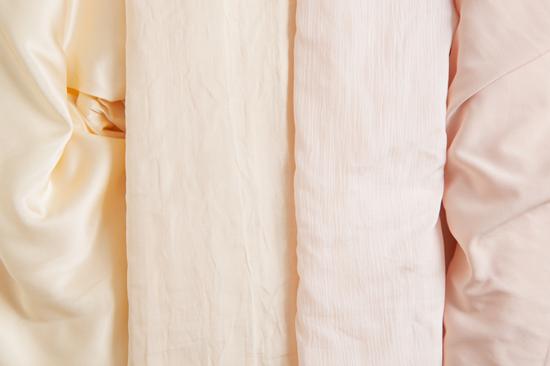
Published on November 27, 2025
When it comes to creating the perfect abaya, fabric is everything. ...
Read More

 Home
Home Categories
  Categories