Published on October 25, 2025
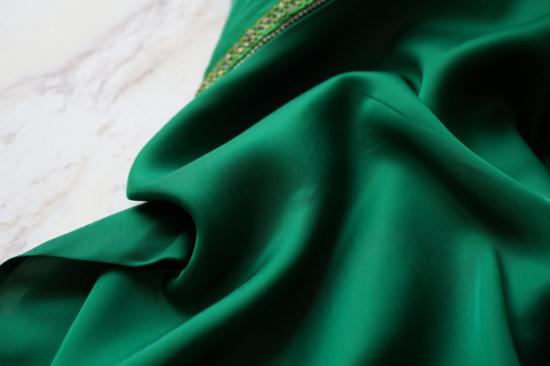
The essence of every stunning abaya lies in its fabric. Long before an abaya takes its elegant form, the choice of material determines its look, feel, flow, and overall charm. From soft crepes that drape beautifully to luxurious silks that shimmer with sophistication, each fabric tells a unique story of craftsmanship and culture. Whether you are designing, buying, or simply appreciating abayas, understanding fabrics is the key to creating garments that radiate elegance, comfort, and timeless appeal.
This detailed guide explores the beauty, versatility, and uniqueness of abaya fabrics especially the journey from Crepe to Silk and helps you discover which materials best complement your abaya designs.
An abaya is more than modest attire its a reflection of grace and individuality. The fabric is what gives it character defining how it feels against the skin, how it moves with the body, and how it captures the light. The perfect abaya fabric should combine softness, breathability, drape, and elegance, while being suitable for different climates and occasions.
Over time, abaya fashion has evolved from simple, traditional black robes to a world of innovative textures, colors, and fabrics that express both modesty and modern style. Todays abaya fabrics not only embody tradition but also celebrate creativity and versatility.
When selecting a fabric for abayas, several factors must be consideredcomfort, season, design, and purpose. Each element influences how the final garment performs and looks.
Here is what to keep in mind when choosing your abaya fabric:
Texture: The surface feel of the fabric smooth, matte, or slightly textured affects both comfort and visual appeal.
Weight: Lightweight fabrics like chiffon are perfect for summer, while heavier fabrics like double crepe suit cooler weather.
Drape: The way the fabric falls or flows defines the silhouette of the abaya.
Opacity: Modesty requires fabrics that are non-transparent or can be layered elegantly.
Maintenance: Easy-to-care-for materials are ideal for everyday wear, while delicate ones are reserved for special occasions.
Crepe is one of the most popular and versatile fabrics used in abaya-making. Known for its slightly crinkled texture and lightweight structure, crepe offers an ideal balance between sophistication and practicality.
Why its perfect for abayas:
Elegant Drape:Crepe flows beautifully, giving abayas a natural, graceful fall.
Wrinkle-Resistant: Its low-maintenance and perfect for travel or everyday use.
Breathable & Durable:Keeps the wearer comfortable in both warm and moderate climates.
Available in Variants:From Korean Crepe to Medina Crepe and Bubble Crepe, each type offers unique texture and finish.
Best for: Casual abayas, professional wear, and minimalist designs that value comfort and ease.
Nidha is widely regarded as the luxury fabric of abayas. Originating from Japan, it is known for its silky smooth texture, soft touch, and sophisticated matte finish.
Features that make Nidha exceptional:
Silky Feel: Smooth on the skin yet maintains modest coverage.
Lightweight: Offers excellent breathability for all-day comfort.
Durable & Wrinkle-Free: Retains its beauty even after long wear.
Versatile: Works well for both traditional and modern abaya styles.
Best for: High-end, luxury, or designer abayas meant for formal and special occasions.
When you think of evening elegance, Satin naturally comes to mind. With its glossy surface and fluid movement, satin transforms abayas into statement pieces.
Why Satin stands out:
Lustrous Shine: Gives abayas a radiant, luxurious appeal.
Soft Drape: The fabric flows smoothly, creating a graceful silhouette.
Comfortable Texture: Feels soft against the skin, ideal for festive or special wear.
Best for: Occasion abayas, party wear, and modern open-front styles.
Pro Tip: To balance satins sheen, many designers pair it with matte or embroidered fabrics for a sophisticated contrast.
Silk is synonymous with luxury. For centuries, it has been valued for its natural sheen, smooth texture, and timeless charm. Abayas crafted from silk exude refinement and cultural richness.
Characteristics of Silk:
Natural Elegance: Its subtle shine adds depth and sophistication.
Soft & Lightweight: Drapes beautifully without clinging.
Breathable & Skin-Friendly: Ideal for warm climates when used in lighter weaves.
While silk requires gentle care, its stunning appeal makes it a favorite for exclusive designer abayas. Variants such as Raw Silk and Satin Silk offer different textures for diverse styling.
Best for: Bridal, festive, and luxury abayas that make a lasting impression.
For layered, flowy, or kimono-style abayas, Chiffon and Georgette are perfect. Both are lightweight, breathable, and drape effortlessly.
Chiffon: Soft, sheer, and graceful best used with linings or as overlays.
Georgette: Slightly heavier and more textured than chiffon, offering better opacity and structure.
Why they are loved:
Ideal for summer and travel wear.
Perfect for contemporary abaya designs.
Easy to pair with embroidery, lace, or satin panels.
Best for: Layered abayas, casual elegance, and modern styles.
Linen and Cotton blends are making a strong comeback in abaya design, especially for minimalist and eco-friendly collections. They provide unmatched breathability and natural comfort.
Why they are great choices:
Breathable: Perfect for hot climates.
Natural Texture: Gives abayas a relaxed, earthy vibe.
Durable & Sustainable: Long-lasting and environmentally friendly.
Though these fabrics have a more casual appeal, they are excellent for everyday wear or summer abayas that prioritize comfort without sacrificing elegance.
Every abaya design has a purpose, and the fabric must align with it. Choosing the right material enhances both function and aesthetics.
| Abaya Type | Recommended Fabrics | Style Benefits |
|---|---|---|
| Everyday Abayas | Crepe, Jersey, Cotton Blend | Comfortable, easy to maintain |
| Luxury/Designer Abayas | Nidha, Silk, Satin | Elegant drape and premium finish |
| Open-Front Abayas | Chiffon, Georgette, Crepe | Flowy, versatile, and modern |
| Casual or Summer Abayas | Linen, Light Crepe | Airy, natural, and breathable |
| Occasion Abayas | Satin, Silk, Nidha | Rich texture and elegant shine |
Selecting fabrics with purpose ensures your collection serves both practical and aesthetic needs across different seasons and lifestyles.
The evolution of abaya fashion has brought vibrant and neutral shades into the spotlight. Fabrics like Crepe and Nidha enhance deep matte tones, while Satin and Silk bring colors to life with their natural shine.
Popular shades include beige, olive, maroon, navy, mauve, champagne, and charcoal greyeach offering a unique personality to the design. Combining the right color with the right fabric elevates the entire look of your abaya line.
Modern fashion demands sustainability, and abaya designers are joining this movement. Fabrics made from organic cotton, bamboo silk, or recycled polyester are increasingly being used in modest fashion. They provide the same softness and quality as traditional fabrics while being eco-friendly a perfect choice for conscious consumers.
The ideal abaya fabric balances texture, breathability, drape, and durability. Crepe offers everyday practicality, Satin and Silk bring in luxury, and Chiffon adds lightness and grace. The right fabric transforms a simple cut into a statement of refined modesty.
A well-chosen fabric ensures the abaya complements the wearers movement, personality, and lifestyle making it not just a garment, but a reflection of elegance.
Each abaya fabric from versatile Crepe to luxurious Silk adds its own touch of beauty to the art of modest fashion. While Crepe and Nidha define sophistication through simplicity, Satin and Silk bring glamour and timeless charm.
Ultimately, the perfect abaya fabric is one that combines comfort with elegance, texture with breathability, and style with practicality. Its the harmony between these elements that creates garments loved by women across the world graceful, comfortable, and endlessly elegant.
So, whether you are designing your next collection or curating a wardrobe, remember this true elegance begins with the fabric beneath the stitch.
Published on September 10, 2025
An abaya is more than clothing its a blend of modesty, tradition, a...
Read More
Published on October 22, 2025
When it comes to abayas, the fabric you choose defines everything s...
Read More
Published on October 22, 2025
When it comes to designing the perfect abaya,every detail matters f...
Read More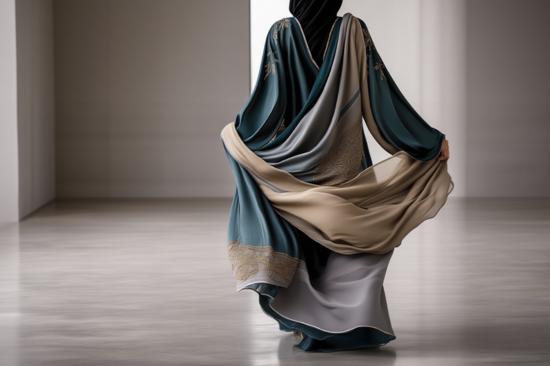
Published on October 25, 2025
Fashion may evolve with the seasons, but the abaya...
Read More

 Home
Home Categories
  Categories